
Care matters. It is a complex and important issue that affects everyone at some point in their life.
The Centre for Care provides accessible evidence on care to inform changes that could improve the lives of millions of people.
The Centre for Care links experts on care in 5 universities, 3 major charities and the UK’s Office for National Statistics.
Funded as an ESRC Research Centre to address the need for evidence on care that can make a difference, we have built a large research team to co-produce excellent research on care topics that really matter. We work closely with partner organisations in the care sector and people with direct experience of care.
Keep up to date with our work
For regular updates from the Centre for Care team, follow us on Twitter @CentreForCare and enter your email address here to sign up for our newsletter.
Latest Updates
News and latest content from the Centre for Care

In this commentary Community Associates and Catherine Needham reflect on the process of working together, as we design and run a scoping project around the charges that disabled people in England pay towards non-residential care.
Read More about Social care charging – is it worth it?
Dr. Maxine Watkins and Dr. Louise Overton report on the first study to apply subjective notions of financial wellbeing directly to the experience of care and caring and with an emphasis on capturing and understanding changes in carers’ financial lives over time.
Read More about The life course costs of caring: Understanding unpaid carers’ financial wellbeing over time
Professor Catherine Needham and Dr. Emily Burn (Centre for Care, University of Birmingham) update us on the progress so far in their cross-cutting research theme at the Centre for Care, which looks at what makes social care a complex, adaptive ecosystem and how understanding this could help improve care outcomes for all. They reflect on […]
Read More about Podcast: Care Ecosystem: Research update and next steps
We virtually welcome Professor Catherine Needham and Dr. Emily Burn to present their research on 16th December 2025.
Read More about Seminar: Professor Catherine Needham and Dr. Emily Burns
Commentary
Our latest commentary pieces
Dr. Maxine Watkins and Dr. Louise Overton report on the first study to apply subjective notions of financial wellbeing directly to the experience of care and caring and with an emphasis on capturing and understanding changes in carers’ financial lives over time.
Read More about The life course costs of caring: Understanding unpaid carers’ financial wellbeing over time
The Centre for Care and CHASM respond to the Autumn Budget 2025, highlighting the lack of mention for unpaid carers and disabled people.
Read More about Invisible Again: Unpaid Carers and Disabled People are absent from the Autumn Budget
Becky Driscoll and Kate Hamblin comment on the report from the Independent Review of Carer’s Allowance Overpayments inquiry and the Government’s response.
Read More about The Independent Review of Carer’s Allowance Overpayments: A Welcome Step Towards Wider Reform of Welfare Benefits for Carers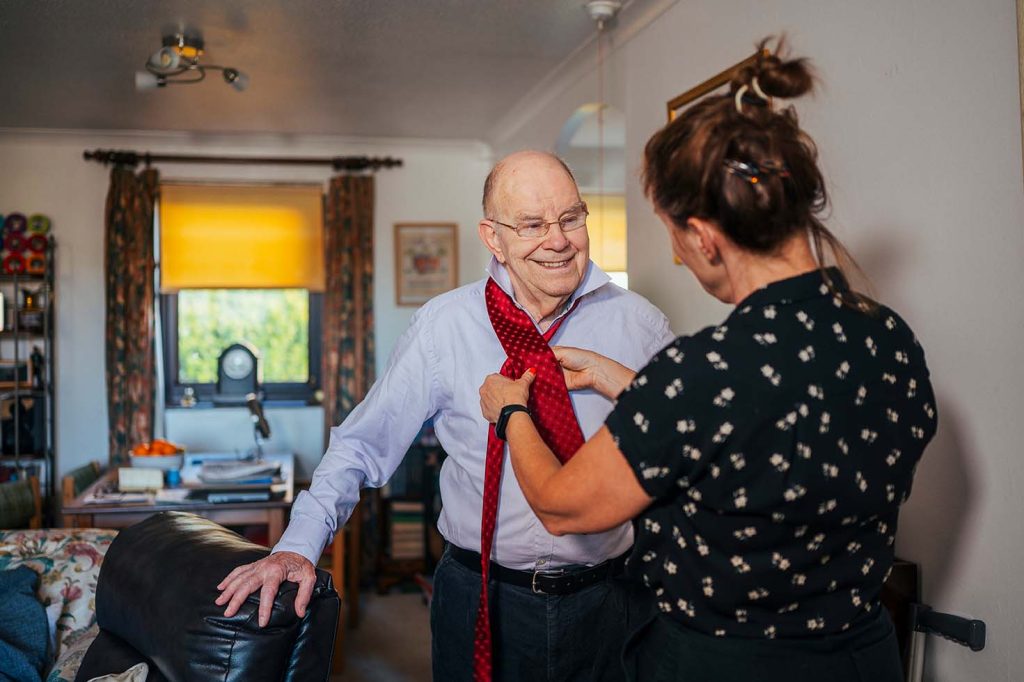
Professor Sue Yeandle OBE looks back on the global carers’ movement on Carers UK’s 60th Anniversary.
Read More about 60th Anniversary: Happy Birthday to Carers UK and to the global carers’ movement
Explore key topics

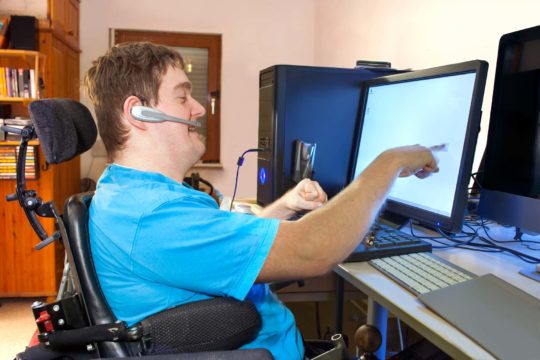
Exploring how digital technology, care and caring relationships intersect and interact.
Read moreabout Digital Care: roles, risks, realities and rewards
Improving the social care data and analytical infrastructure.
Read moreabout Care Data InfrastructureOur Research Groups

Here we explore experiences of care at different life stages, when families are geographically dispersed and as people experience different parts of the care system.
Read moreabout Care Trajectories and Constraints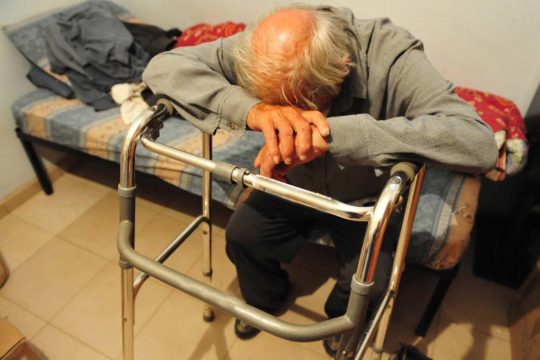
We use statistics and link data to study how socio-economic, health and other inequalities shape experiences of care for groups and individuals in different places and over time.
Read moreabout Inequalities in Care
We study change, innovation and challenges in paid care work: recruitment, organisation, conditions, digitalisation and their effects on job and service quality.
Read moreabout Care Workforce Change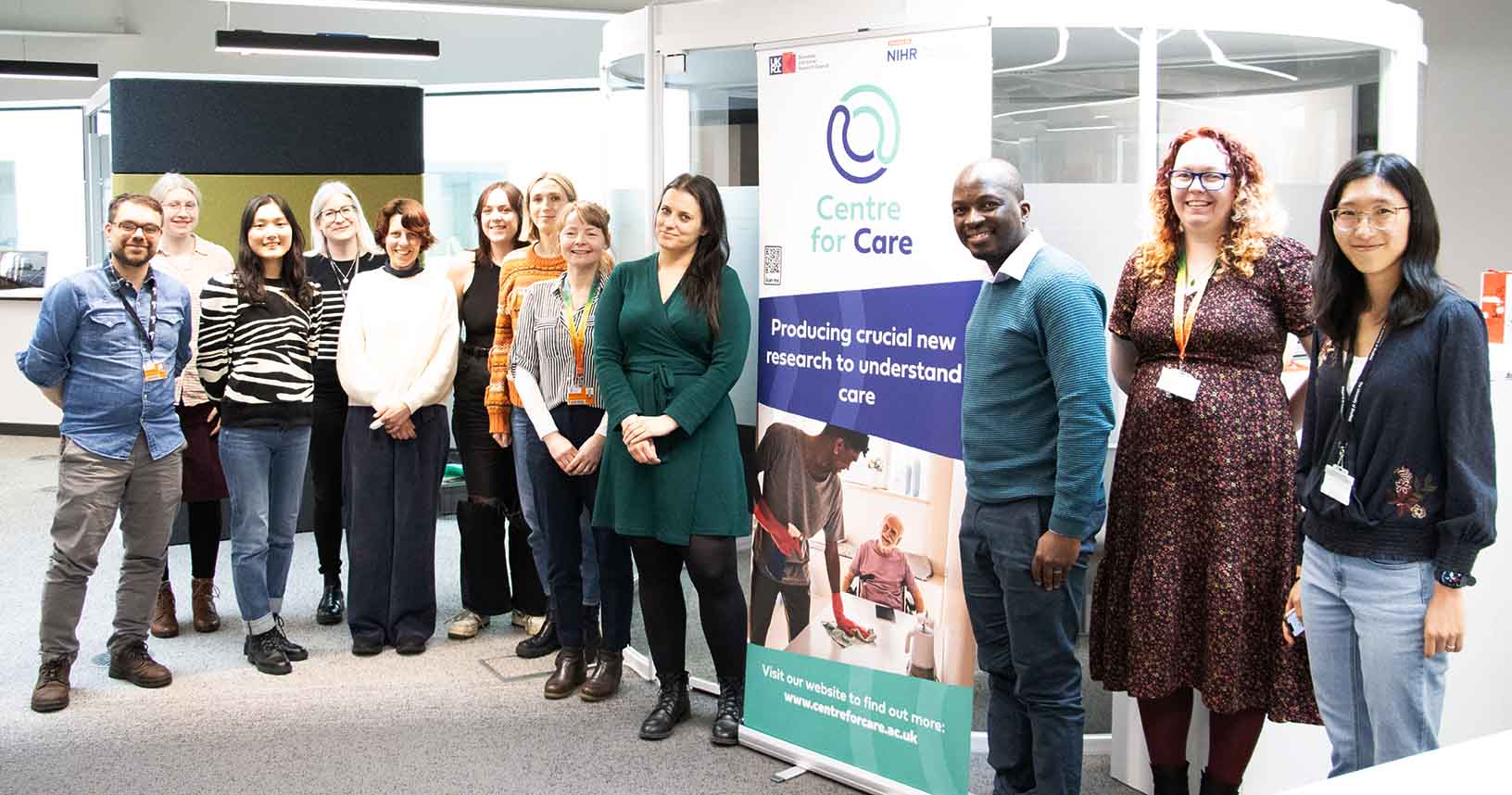
Who we’re working with
The Centre for Care links experts on care in 5 universities, 3 major charities and the UK’s Office for National Statistics.